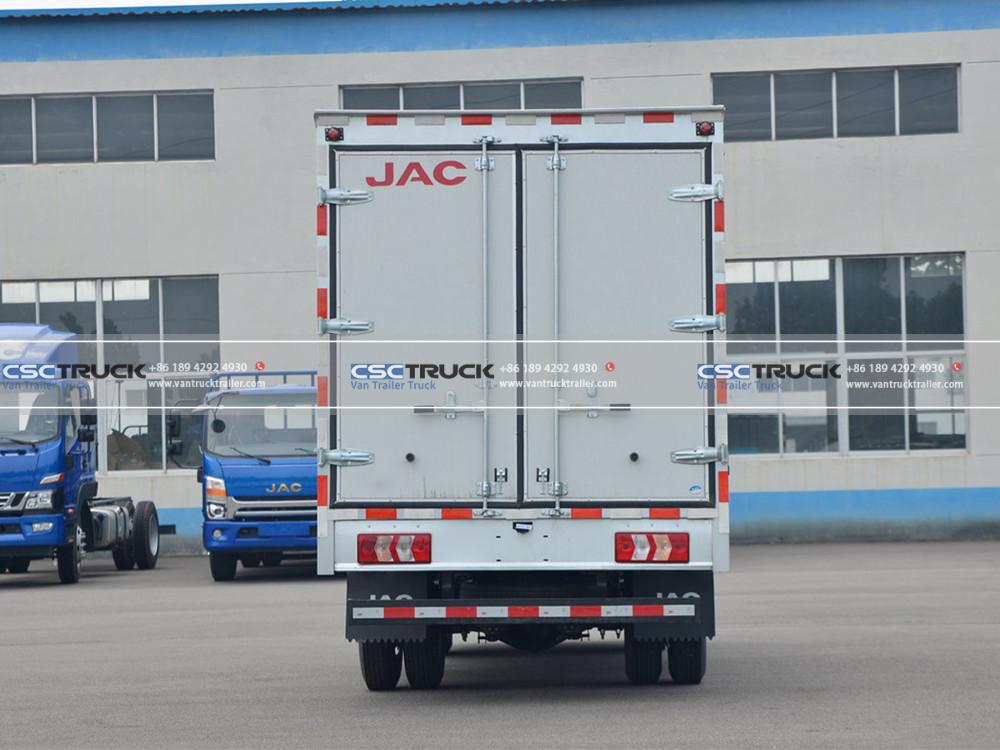
Egypt’s iconic cotton export sector has significantly upgraded its logistics infrastructure with the integration of 40 custom-engineered utility dry van trucks, bolstering the integrity and efficiency of shipments to premium global textile manufacturers. This strategic enhancement, formalized through a partnership between CSCTRUCK Vantrucktrailer and Nile Delta Freight Solutions (Egypt’s largest agricultural logistics provider), addresses longstanding vulnerabilities in the cotton supply chain while aligning with the Ministry of Trade’s “White Gold 2030” export modernization initiative.
Elevating Egypt’s “White Gold” in Global Textile Markets
The deployment responds to acute challenges in preserving the extra-long staple (ELS) cotton quality that commands 30% price premiums in luxury textile markets, where exposure to humidity, dust ingress, or compression damage during road transit historically diminished lint length uniformity and micronaire values critical for high-thread-count fabrics. Traditional open-bed trucks and non-sealed trailers permitted contamination along the 500km Delta-to-Port Said corridor, where desert winds and Nile humidity fluctuations risked degrading the world’s most valuable Gossypium barbadense varieties. These specialized dry vans establish a controlled transit environment, enabling compliance with stringent buyer protocols like AeroSustain® (used by Italian luxury mills) that mandate ≤55% humidity and zero particulate infiltration throughout transport. By securing Egypt’s reputation for flawless fiber delivery, the fleet directly supports the nation’s strategic pivot toward value-added textile exports targeting €200M+ annual growth by 2028.
Precision-Engineered Protection for Delicate Fiber
Developed collaboratively by CSCTRUCK Vantrucktrailer and Egyptian cotton engineering consortiums, the vans integrate proprietary technologies to safeguard bale integrity across Egypt’s demanding export routes.
Hermetic Sealing & Particulate Filtration
Triple-layered door gaskets combined with HEPA-filtered positive-pressure ventilation systems maintain ISO Class 8 cleanroom air quality internally, excluding sand particles down to 0.3 microns during Saharan wind events. Composite wall panels with nanocellulose insulation achieve 0.08 W/m²K thermal resistance, stabilizing internal conditions at 25±2°C without active cooling—critical for preventing fiber embrittlement during Red Sea coastal transits.
Structural Reinforcement & Load Optimization
Reinforced cross-member chassis and hydraulic suspension dampeners absorb road shock on unpraded Delta farm-access routes, reducing bale compression by 40% compared to standard trailers. Automated bale-positioning systems with RFID-tagged slots maximize trailer cube utilization while preventing friction damage between ELS and Giza 94 varieties during mixed-load shipments.
Condition Intelligence & Compliance Logging
Embedded fiber-sensor arrays monitor bale-surface humidity, tension, and temperature, transmitting real-time alerts via Egypt’s CottonTrace blockchain when thresholds exceed preset thresholds (e.g., >60% humidity). Data auto-generates digital Cargo Condition Certificates required for LC releases at destination ports like Hamburg and Osaka.
Strategic Fleet Modernization Anchors Export Growth
This $14.2M procurement forms the cornerstone of Nile Delta Freight Solutions’ supply chain overhaul under a four-year technical alliance with CSCTRUCK Vantrucktrailer, reflecting Egypt’s ambition to capture 15% of the global premium cotton market. The dry vans operate within a synchronized multi-modal network where CSCTRUCK’s engineering expertise ensures compatibility with port gantry systems at Sokhna and Damietta terminals, reducing transfer times by five hours. Beyond cotton logistics, Nile Delta concurrently expanded its fleet with diversified CSCTRUCK-manufactured assets, including 60 heavy-duty cargo trucks for fertilizer and pesticide transport to Delta farms, and 25 multi-temperature refrigerated trucks supporting Egypt’s emerging premium horticulture exports like greenhouse strawberries. The integrated approach establishes Egypt’s first dedicated “Cotton Corridor” from ginning facilities in Kafr El-Sheikh to container terminals, projecting 20,000 additional bales delivered annually at optimal quality—solidifying partnerships with luxury brands like Albini Group and Canclini Tessile.